Designing the Next 200 Years: DIALOG Brings Innovation, Creativity and Collaboration to Ottawa
 Capital
Posted On June 11, 2026
Capital
Posted On June 11, 2026
As Ottawa’s 200th anniversary approaches, the city is a hub of ambitious, future-facing planning and nation-building projects. Innovative companies from across the country are leaning into the capital region, and DIALOG, a multidisciplinary design practice recently named one of 2026’s most innovative architecture companies by Fast Company, now has a permanent home in the capital.
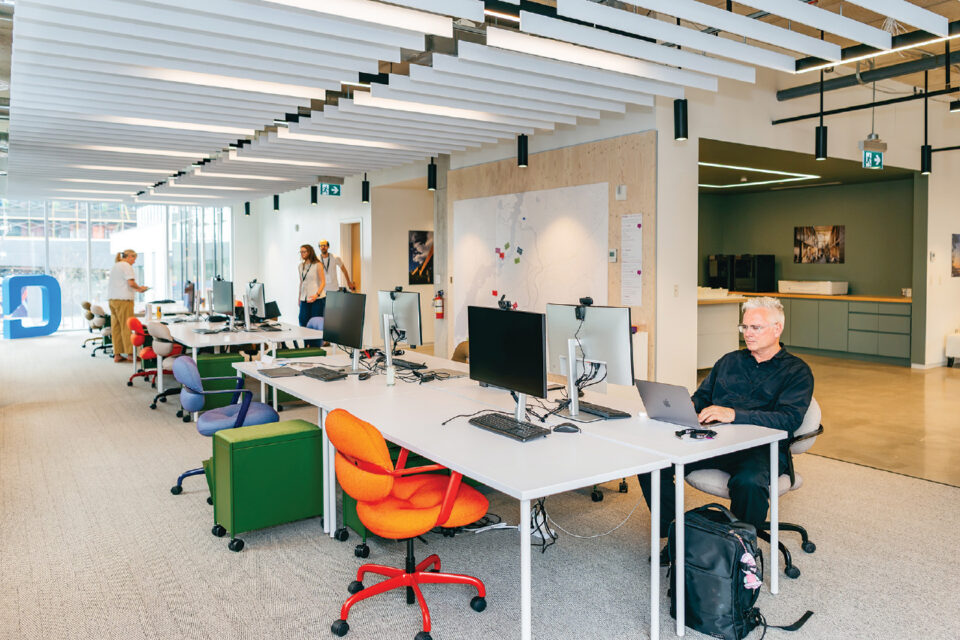
With the opening of its new Ottawa studio at 6 Booth St. on Chaudière Island, DIALOG is deepening its commitment to a city it has helped shape for decades.
A New Home in a Vital City
“Ottawa matters to all Canadians,” says Robert Claiborne, architect and partner at DIALOG. “It’s where national ambition, public life, and global responsibility intersect, and many of the projects we work on here are truly nation-building.”
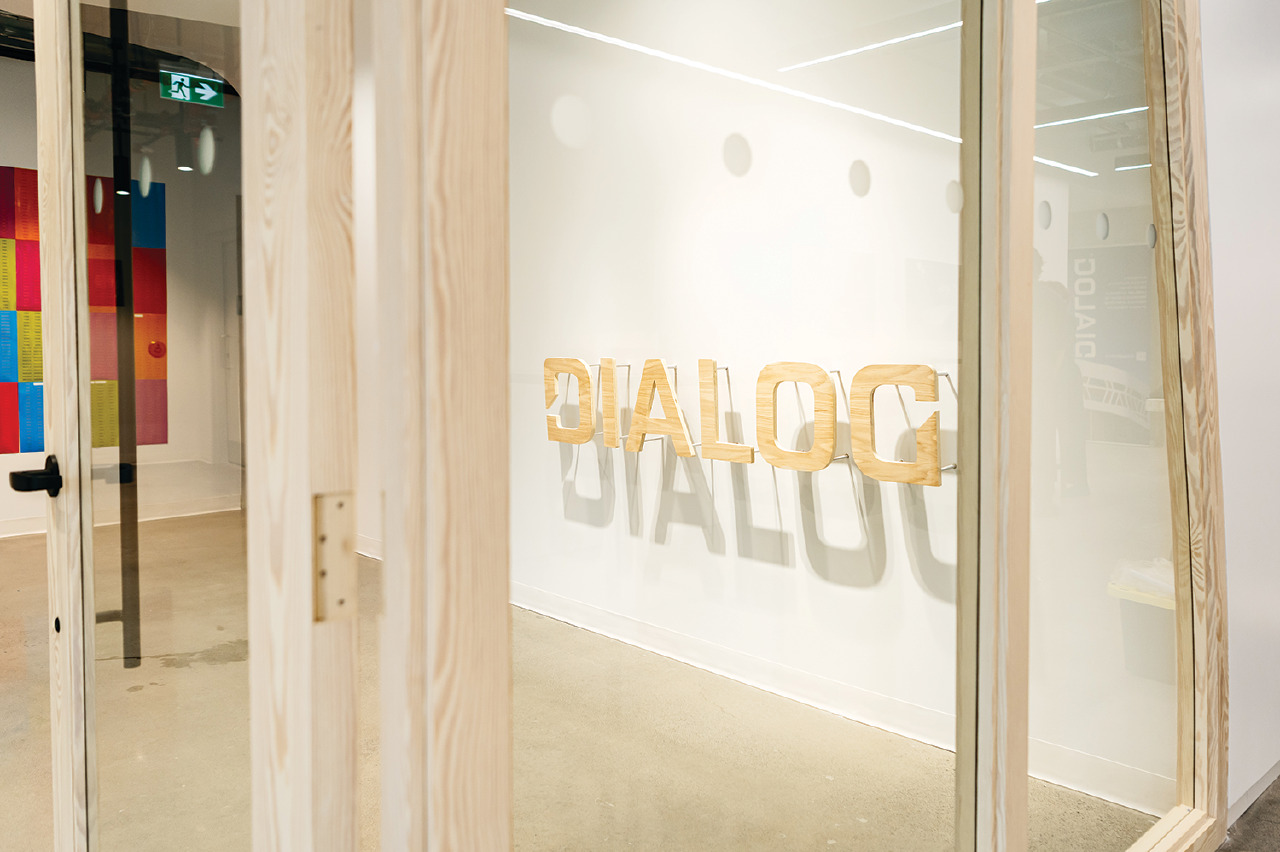
DIALOG’s Ottawa studio marks its sixth location, but the firm’s connection to the capital is far from new. Team members have been based in the region since 2016, contributing to major projects such as the Parliamentary Precinct Long-Term Vision and Plan, client advocate for Block 2, and the restoration and modernization of the Lester B. Pearson Building for Global Affairs Canada.
The growing Ottawa team, led by Studio Chair Jie Chen alongside partners Robert Claiborne and Mara Baum, reflects that commitment to both local impact and national leadership.
“We’ve been working in the capital region for many years,” says Chen. “Opening a permanent studio is about deepening that commitment, being present, building relationships, and contributing meaningfully to the city over the long term.”
For Chen, the new office represents both continuity and growth.
“The past is important, too,” she says. “We have more than 30 years of history in Ottawa. This studio is about building on that foundation, while looking ahead.”
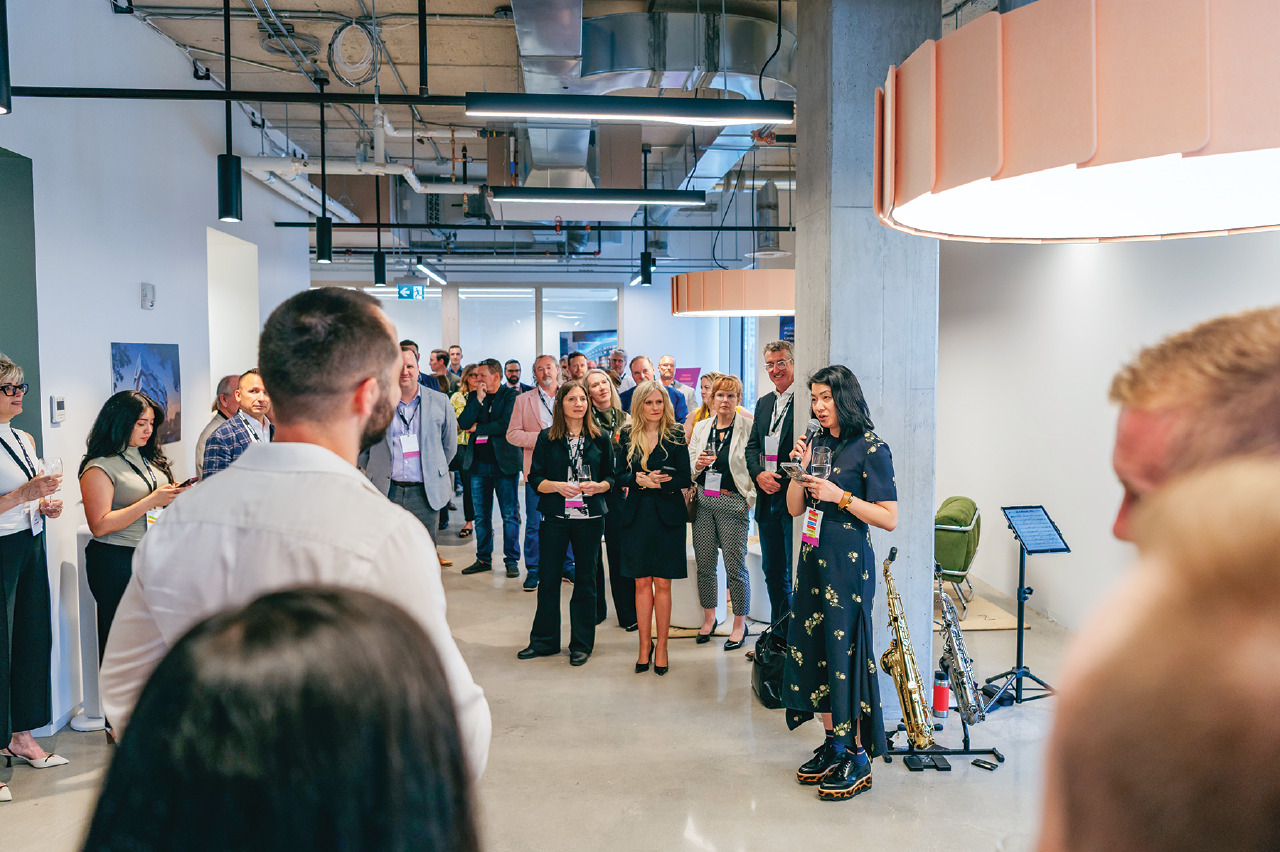
Collaboration Leads to Design Innovation
DIALOG is known for its multidisciplinary team and collaborative approach to design. Bringing together architects, engineers, planners, interior designers, and sustainability experts under one studio allows the firm to deliver fully integrated design thinking.
“Having architects, engineers, planners, and specialists working together from the outset allows us to solve complex problems more efficiently, and often more creatively, than if those disciplines were operating separately,” says partner Mara Baum.
“The challenges cities face today don’t fit neatly into silos,” Claiborne adds. “Design has to be inherently collaborative if it’s going to respond meaningfully to climate change, culture, and community.”
This approach ensures that different disciplines remain connected throughout the life of a project, resulting in more cohesive and innovative outcomes.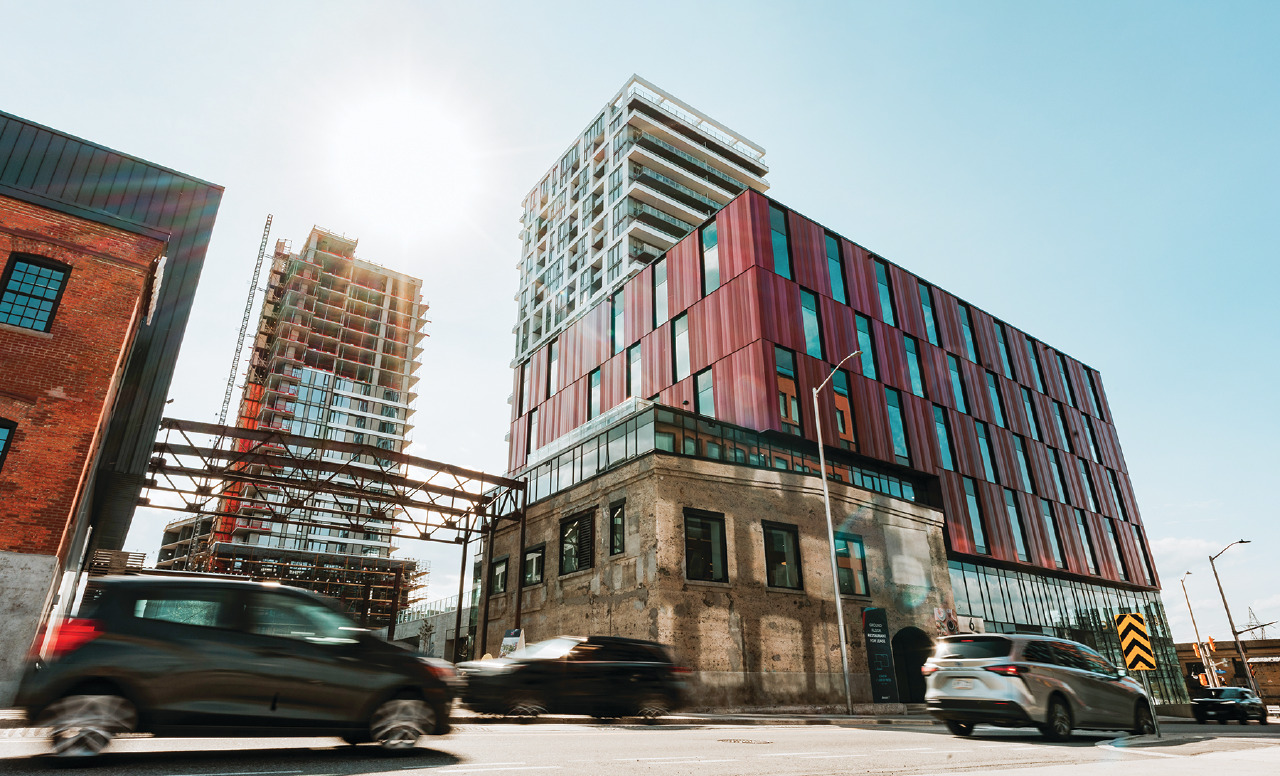
Designing with Purpose and Perspective
DIALOG’s portfolio reflects a commitment to projects that create lasting impact, spaces that not only serve immediate needs but shape how people experience their cities over time.
Across Canada, that work takes many forms. In Calgary, the transformation of Glenbow’s JR Shaw Centre for Arts & Culture reimagines a once-brutalist, inward-facing museum into an open, accessible hub for innovation, community, and culture. The Calgary Central Library, now internationally recognized, serves as both a civic landmark and a gathering place for all ages.
In Edmonton, the ICE District has transformed a once-underutilized downtown area into a vibrant, mixed-use destination, helping catalyze new investment and activity. In Toronto, Centennial College’s mass-timber A-Building expansion sets a new benchmark for zero-carbon, sustainable institutional design.
On the West Coast, The Shipyards in North Vancouver transforms a historic industrial waterfront into a vibrant, mixed-use destination, blending public space, heritage elements, and community-focused design to create a year-round civic hub. Near Banff, the Peter Lougheed Wildlife Overpass demonstrates how thoughtful design can extend beyond human use, restoring critical wildlife corridors and redefining environmental infrastructure.
Together, these projects reflect a design philosophy rooted in innovation, sustainability, and long-term thinking, principles that now shape DIALOG’s growing presence in Ottawa.
That same philosophy is embedded in its new studio.
“The studio is a creative design space, where collaboration, curiosity, and craft are inseparable from the work itself,” says Claiborne.
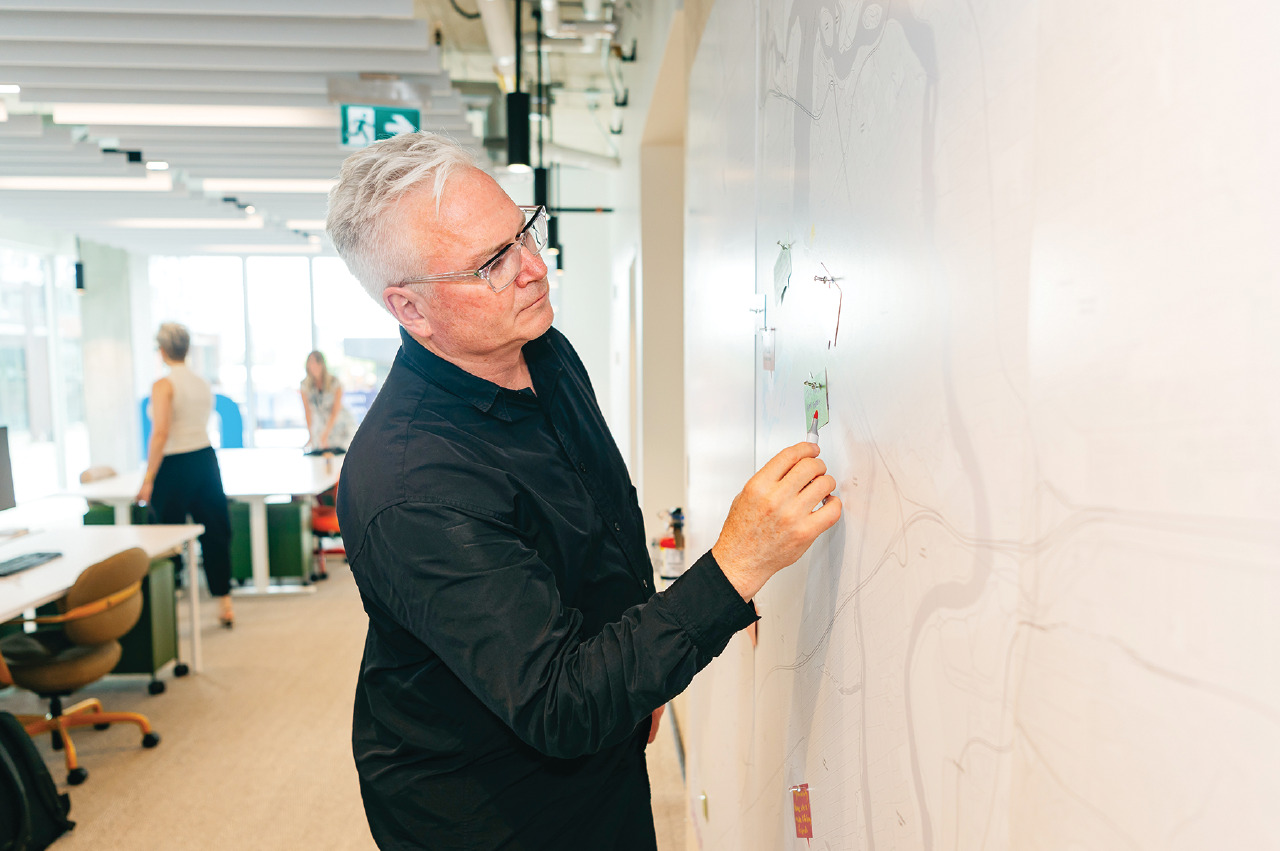
Connecting Past and Future
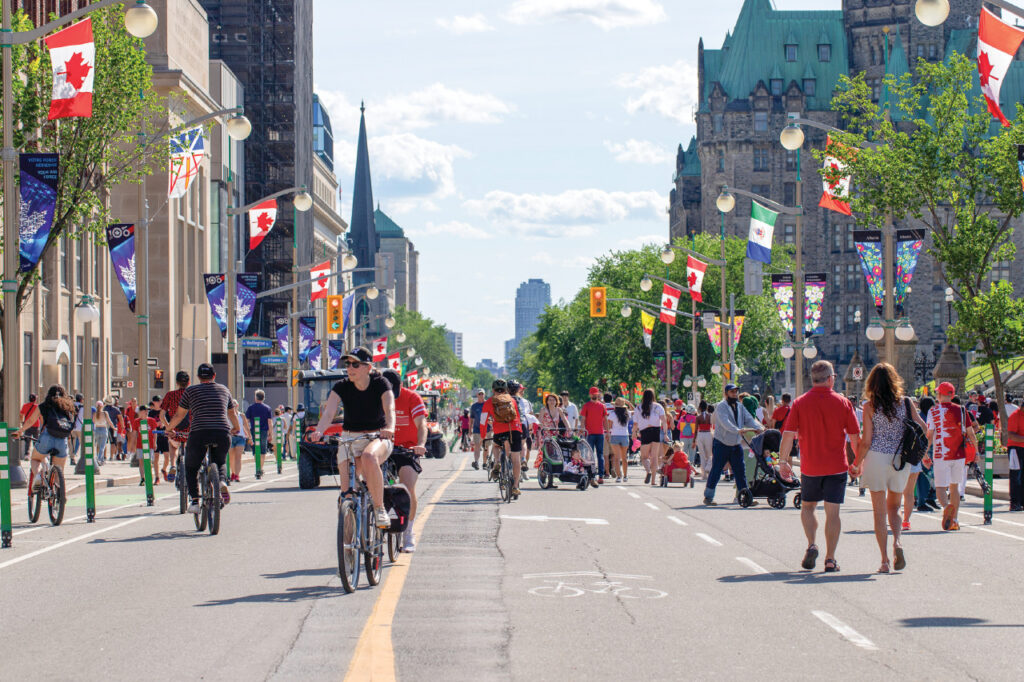
The studio’s location places it at the heart of Ottawa’s evolving urban fabric, with connections to Parliament Hill, the National Gallery, and the ByWard Market, an area that reflects both the city’s history and its future potential.
“We’re not just thinking about what Ottawa needs today,” says Chen. “We’re interested in what will still matter decades from now, how buildings and infrastructure can support resilient, inclusive communities over time.”
That long-term perspective is essential as Ottawa continues to grow and adapt to changing environmental, social, and economic demands.
“The Ottawa studio was launched thanks to the ambition and dedication of many people before me,” Chen says. “I’m proud to lead this next chapter and excited to grow our local impact with shared values of inclusion and resilience.”
A City and a Studio Looking Ahead

As Ottawa celebrates 200 years of history, DIALOG’s new studio stands as a symbol of what comes next: a place where ideas take shape, where collaboration drives innovation, and where the future of the city is actively being designed.
“Architecture never reveals all of its secrets immediately,” Claiborne reflects. “Its real value is measured over time, in how it adapts, endures, and continues to matter for generations.”