Ottawa: From Scrappy Lumber Town to Silicon Valley North and Beyond
 Capital
Posted On June 11, 2026
Capital
Posted On June 11, 2026

By Erika Cuccaro
After two hundred years of reinvention, Ottawa keeps moving forward
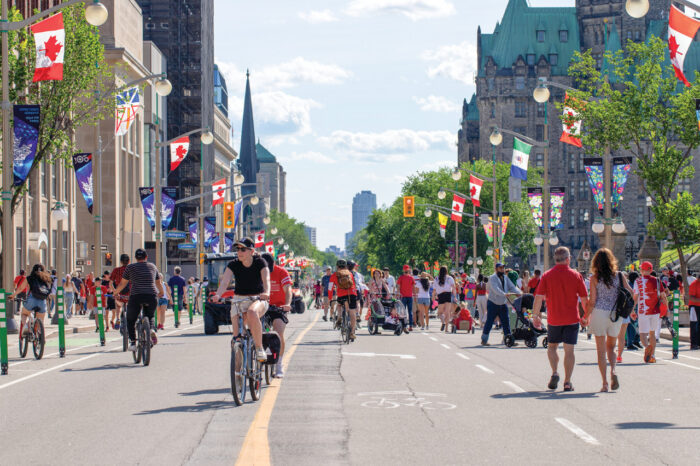
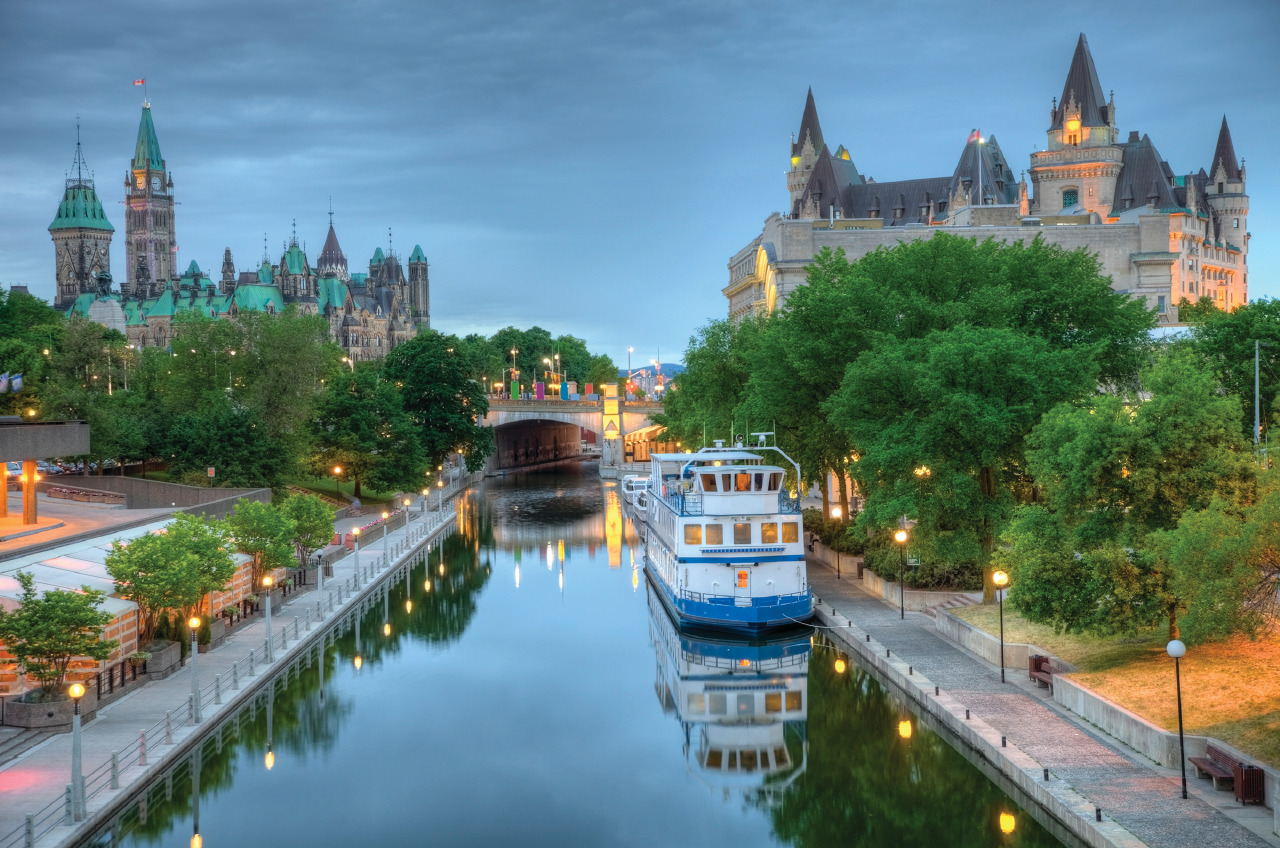
Take a walk along the Rideau Canal on a busy weekday. The city hums with activity. Government buildings stand tall as a new downtown emerges around them. Cranes dot the skyline with new developments edging outward. In the west end, tech campuses buzz. A city in motion.
From its origins as a trade route and lumber town to its rise as the nation’s capital and global tech hub, Ottawa has always recognized opportunity and acted on it. Every era has added something new, reshaping the city while staying true to its hard-working roots.
From River Routes to a Resource Economy
For centuries, the region was a vital transportation corridor within the traditional territory of the Algonquin Anishinàbeg, where the meeting of the Ottawa and Rideau rivers supported trade in furs, timber and minerals.
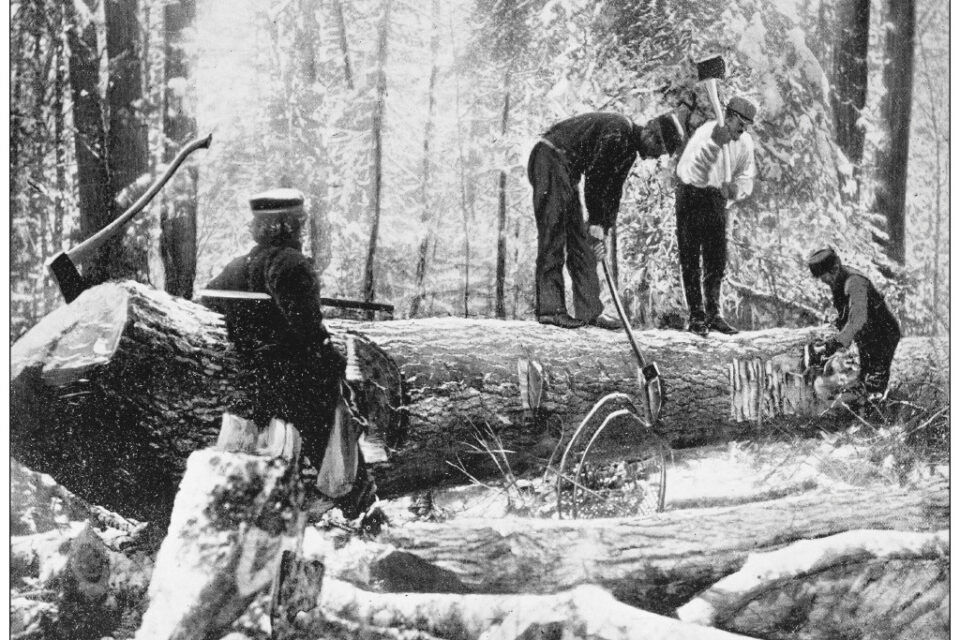
The city’s name comes from the Algonquin word “Odawa,” meaning “to trade,” a purpose that continued into the 19th century, when the Ottawa River became the engine of a booming timber economy. Lumber camps spread, mills proliferated, and workers arrived in droves, drawn by the promise of steady work.
Then came the canal.
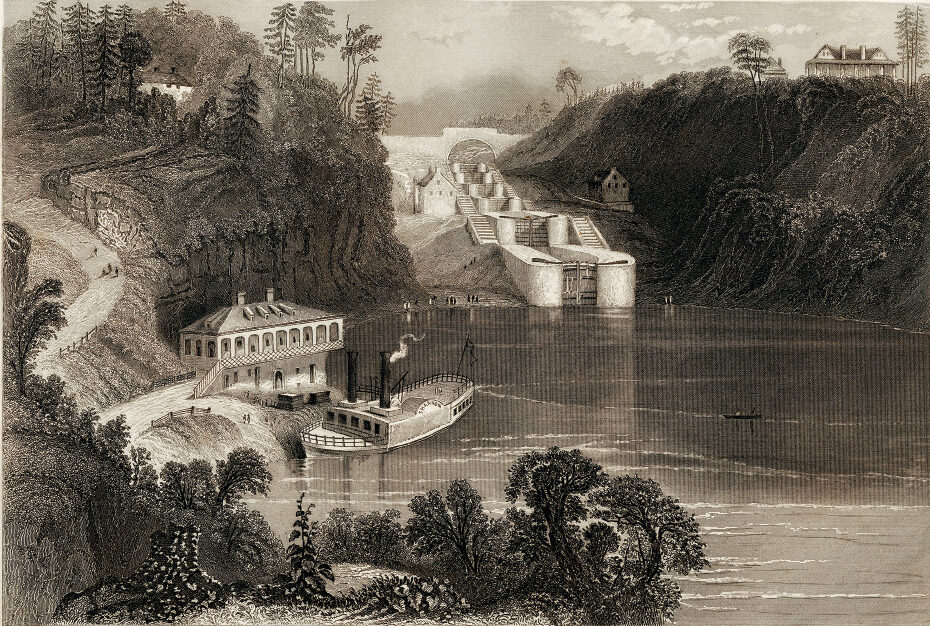
Led by Lieutenant Colonel John By, the construction of the Rideau Canal began in 1826 and sparked rapid growth. What began as a military project became an economic one, moving timber, goods and people. The village of Bytown quickly grew from a rustic work camp into a bustling community of contractors, labourers and merchants.
Becoming Canada’s Capital
By the 1860s, Ottawa had become one of the largest milling centres in the world, connected to the Grand Trunk Railway and American rail networks.
When the Province of Canada needed a capital, Ottawa was a contender, but not the obvious choice. More established cities like Montreal, Quebec and Toronto made their case. When consensus proved impossible, the decision ultimately fell to Queen Victoria. In 1857, she chose Ottawa.
The Queen’s decision was as surprising as it was strategic. Though Ottawa was a smaller, industrial city, its location was ideal: safely inland, well-positioned between English and French Canada, and connected by rail. That same year, the Ottawa Board of Trade was established, launching efforts to strengthen economic opportunity and quality of life.
Once named Canada’s capital, Ottawa’s population surged and construction followed. Government buildings rose, along with homes for a growing civil service. As it grew, the city faced its share of setbacks. Devastating fires in 1900 and 1916 destroyed large sections of Hull and the original Parliament Buildings. Each time, Ottawa rebuilt.
When the Ottawa Valley’s timber resources declined, the lumber industry weakened and, in its place, the federal government expanded. The civil service grew steadily through the World Wars and the Great Depression. Over the course of a century, government employment grew from roughly 10 percent of the workforce in 1871 to nearly one-third by 1971, firmly establishing the federal government as Ottawa’s dominant employer.
The Groundwork for Today’s Ottawa
By the early 20th century, Ottawa didn’t yet look like a national capital. Smokestacks and rail lines crowded the skyline, giving the city the feel of an industrial mill town. During the Second World War, the federal public service tripled and 20 temporary buildings were constructed in Ottawa’s green space to accommodate that rapid expansion.
Prime Minister William Lyon Mackenzie King commissioned French urban planner Jacques Gréber to develop a vision for the National Capital Region. Gréber’s plan transformed the city. It introduced expanded parkway networks, laid the foundation for the Queensway, began the demolition of temporary buildings, restored waterfront lands and created a Greenbelt to contain growth and limit urban sprawl. Gréber’s vision guided development for decades, influencing planning decisions well into the 1970s.
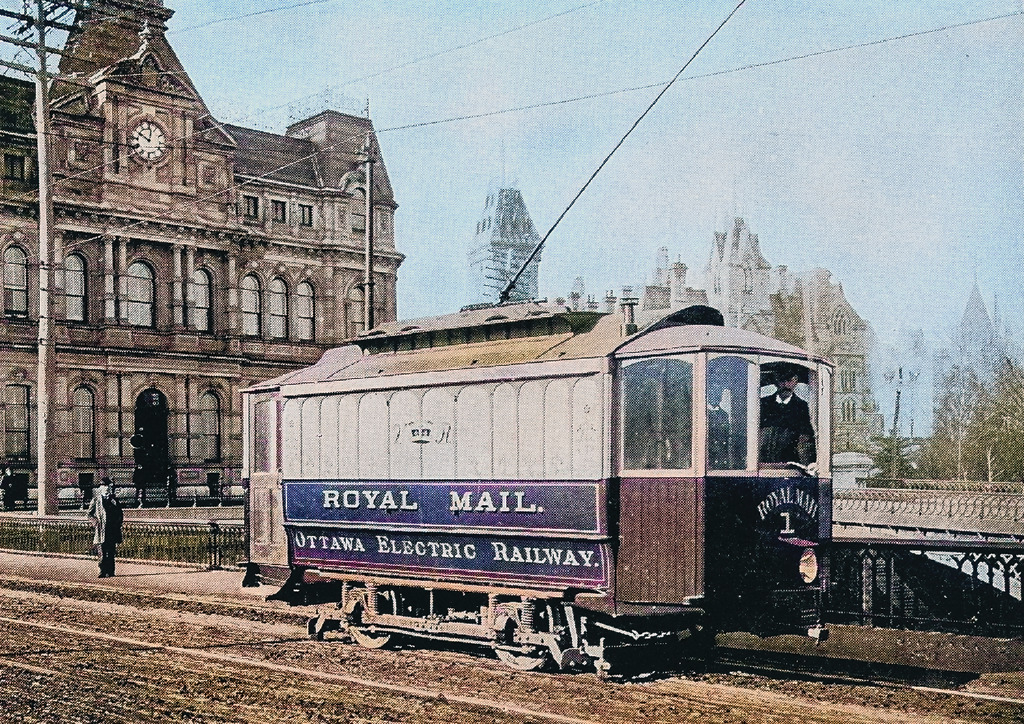
As Ottawa expanded outward, the provincial government moved to merge surrounding municipalities. In 2001, Ottawa, Vanier, Nepean, Kanata, Gloucester and Cumberland, along with the townships of Rideau, West Carleton, Goulbourn and Osgoode, and the village of Rockcliffe Park, were amalgamated into a single city.
“Amalgamation brought together urban and rural communities and created a more cohesive framework for economic development and city planning,” says Sheilagh Doherty, Director of Economic Development Services with the City of Ottawa. “Each area still has its own priorities, but there are shared goals around economic diversification and support for small businesses. Under the banner of the City of Ottawa, those strengths come together and the city as a whole becomes more competitive.”
Silicon Valley North
 Ottawa’s technology sector traces back to the Second World War, when the National Research Council Canada (NRC) led secret radar research in the capital. During the war, Ottawa became a hub for military electronics, laying the foundation for Canada’s postwar tech and manufacturing industries. Britain’s transfer of microwave radar technology—particularly the cavity magnetron—accelerated Canadian efforts and fueled the post-war electronics industry.
Many researchers moved into defence and Cold War projects, while Ottawa labs merged in 1951 to form the Defence Research Telecommunications Establishment (DRTE), later the Communications Research Centre.
Ottawa became a centre for pioneering work in fibre optics and digital switching. Companies like Mitel and Bell-Northern Research (later part of Nortel) built deep expertise in photonics and semiconductor innovation.
 In the 1990s, Department of National Defence investments supported Nortel’s next-generation compound semiconductor manufacturing, advancing NATO’s radar technologies and supporting the development of commercial optical telecom products. With the rise of Nortel and JDS Fitel, Ottawa became a global leader in telecom and photonics, known as Silicon Valley North. In 2009, Nortel filed for bankruptcy, marking another turning point.
Much of Nortel’s technology and talent went to global firms like Ciena and Ericsson. The NRC preserved lab infrastructure and expertise, ensuring that Ottawa’s leadership in photonics and compound semiconductors endured.
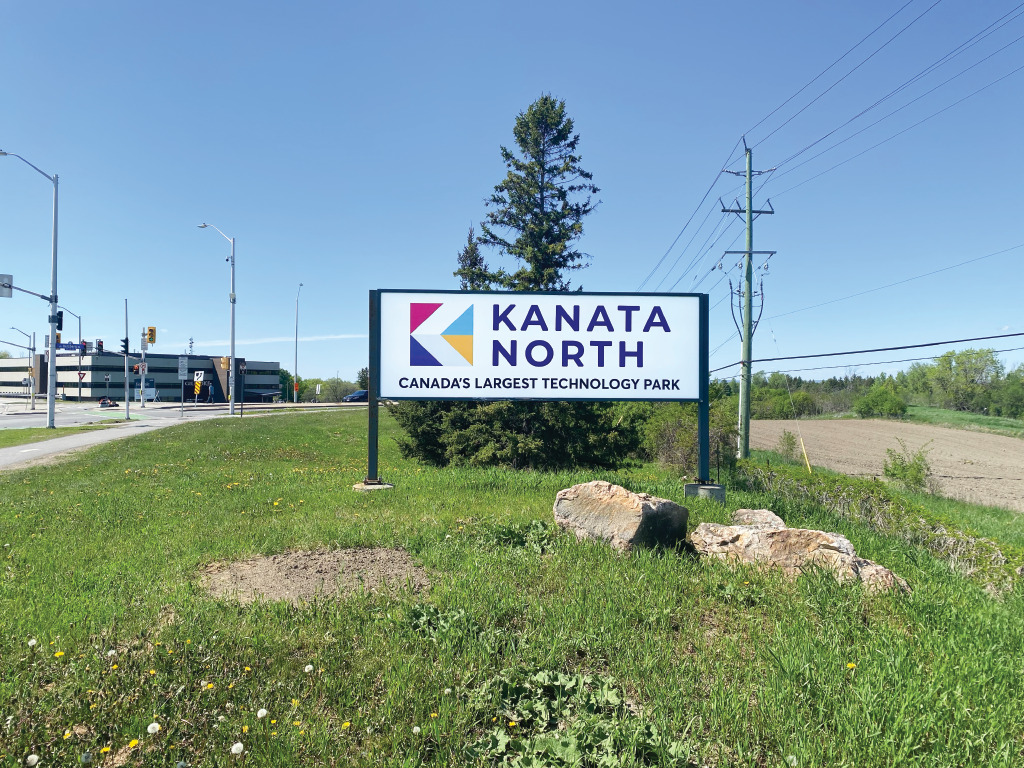
Ottawa is home to about 2,000 tech companies, with roughly 800 in Kanata North. In 2025, Kanata North generated $17.9 billion in economic output, supporting more than 63,000 jobs.
“As Canada’s largest technology park, our strength is a longstanding legacy of hardware and software expertise developed within a single ecosystem,” says Kelly Daize, Kanata North Business Association Executive Director. “That’s especially critical in the AI era—our deep hardware and embedded software expertise makes companies more resilient, enables AI innovation and positions our ecosystem for long-term growth.”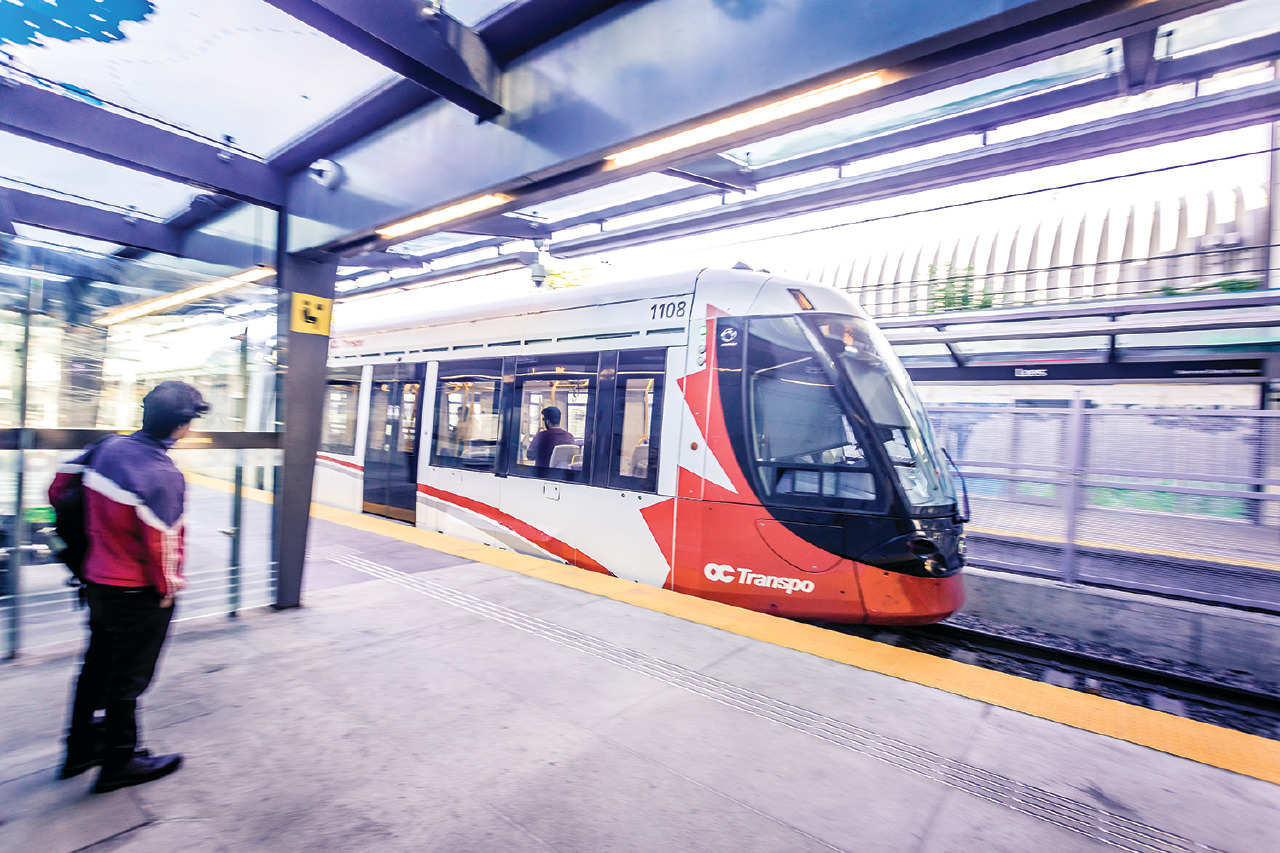
Ottawa Enters a New Phase
For more than a century, the federal government has been a stabilizing force in Ottawa’s economy, providing steady employment and anchoring the downtown core.
Today, that foundation is shifting. The move to hybrid work during the COVID-19 pandemic has changed how many public servants work, raising new questions about the future of downtown and the role of the public sector as an economic engine. The transition is still unfolding, but it reflects a familiar pattern. Even Ottawa’s most stable institutions must adapt.
“Ottawa is a city of transformation,” says Doherty. She points to major city-building projects and the revitalization of key areas like the ByWard Market. Across the city, aging infrastructure is being replaced, light rail is expanding, and large-scale developments—from the Ottawa Hospital’s new campus to LeBreton Flats, the new Ādisōke library and Lansdowne Park—are redefining how Ottawans live, work and play.
A Mix of Sectors and a Culture of Collaboration
Today’s Ottawa is not defined by a single sector. Defence and knowledge-based industries sit alongside a strong technology sector, while research institutions and universities produce the next generation of talent.
Small businesses and the cultural sector add another layer, contributing to quality of life and economic activity. With festivals, sports teams and vibrant retail and hospitality, Ottawa is an increasingly attractive destination for residents and visitors alike. In 2025, that appeal translated into a benchmark year for tourism, with the busiest July and August on record.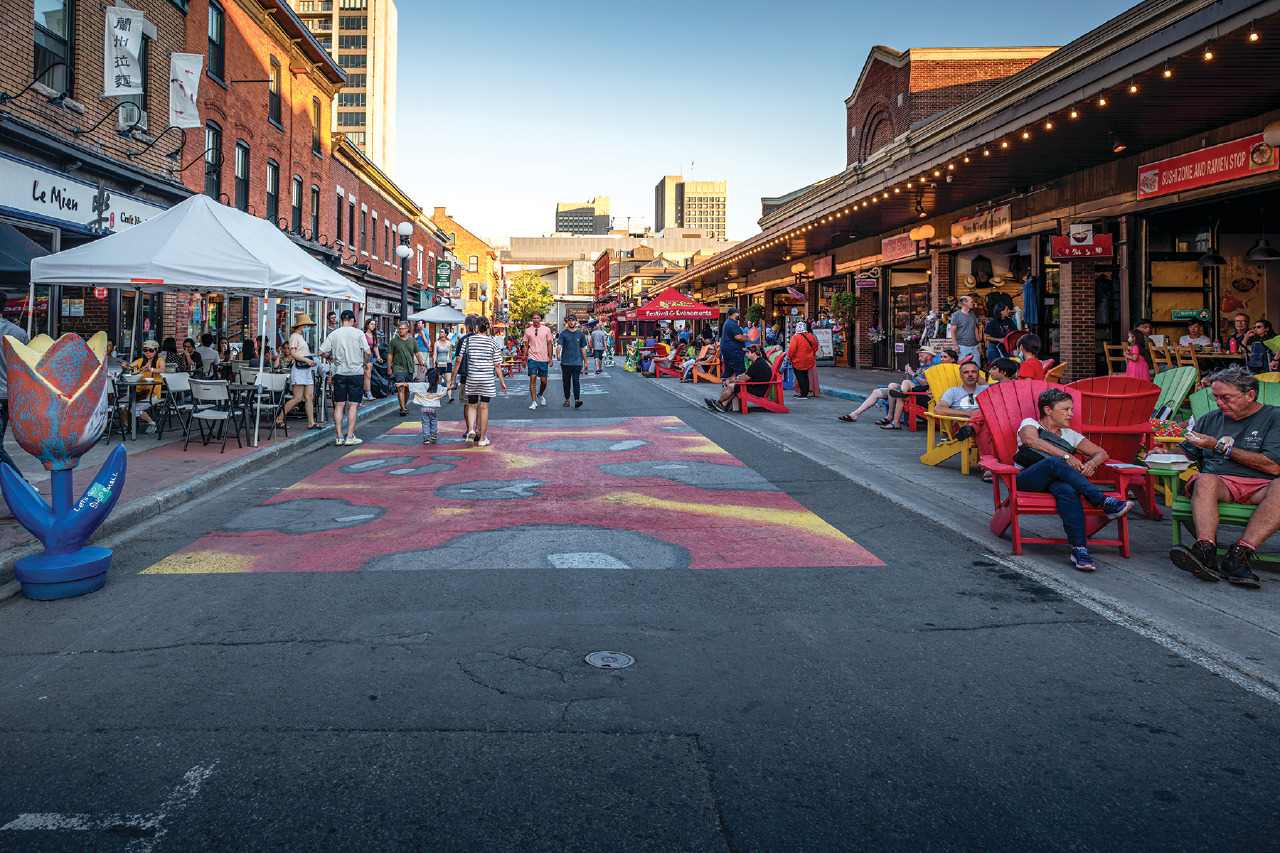
Underpinning it all is strong collaboration. Governments, nonprofits and local businesses work together to respond to challenges and pursue opportunities, a dynamic Doherty sees as central to Ottawa’s success.
“That collaboration is visible across all three levels of government, along with organizations like the Ottawa Board of Trade, Tourism Ottawa, Invest Ottawa and the Ottawa Coalition of Business Improvement Areas, all working together to effect change,” says Doherty.
Ottawa’s Story, Still Unfolding
“Economic development is measured over decades,” says Doherty. “When you reflect on the last 200 years and see how much things have changed, you can see how it all connects to talent attraction and opportunity.” Across decades of change, Ottawa keeps moving.
Today’s major projects—from transit to revitalization—are changing how the city functions and grows. Economic districts like Kanata North continue to attract talent, support innovation and strengthen competitiveness.
Emerging technologies are driving Ottawa’s next phase of growth. Kelly Daize points to Ottawa’s strength in semiconductors and integrated photonics as a foundation for next-generation defence, AI and quantum technology—areas that could define the city’s future.
Change has always been part of Ottawa’s story. The city has grown, evolved and adapted as one era makes way for the next.
A new era has begun. The next chapter in Ottawa’s story.