
In a neighbourhood defined by movement—commuting, building, constant activity—spaces that invite people to simply exist are increasingly rare. Snider Park is one way we’re changing that.
Led by the Centretown Business Improvement Area (BIA) in collaboration with property management company Morguard and public space partner Aire Commune, the project transforms an underutilized site into a new kind of public space: one designed not for transactions, but for people—a place to pause, gather, and connect.
The park responds to a growing need for “third spaces”—environments that sit between home and work. In downtown neighbourhoods like Centretown, these spaces play a critical role in supporting mental health, social connection, and overall quality of life.
“Access to spaces like this isn’t just about design—it’s about how people feel in their neighbourhood,” says Sabrina Lemay, Executive Director of the Centretown BIA. “Creating room for connection, creativity, and pause is essential to building a healthy downtown.”
Snider Park also reflects a broader shift in how public space is imagined.
Rather than building on existing models, the project takes a more layered approach—one that centres art, green space, and everyday use. It’s designed as a flexible environment that can shift throughout the day, from quiet moments to community gatherings, creating space for both activity and pause. The park will also feature rotating seasonal artwork and be programmed in collaboration with local artists, community partners, and businesses, with opportunities for event use that help it function as an active community hub.
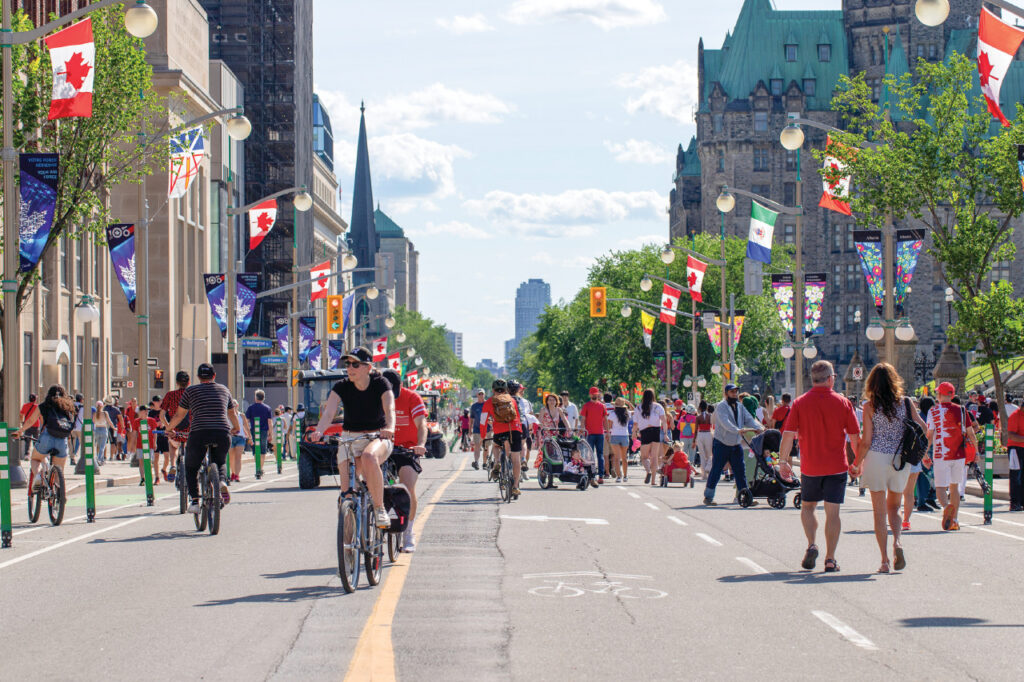
Public spaces shape how people move through the neighbourhood, how safe they feel, and whether they stay, connect, or pass through.
The way a space is designed—whether it feels welcoming, open, and cared for—influences how people experience it, including their sense of comfort and belonging.
Snider Park offers something simple but often missing: a place to sit, pause, and be. Access to green space, moments of calm, and opportunities for connection and community all contribute to stronger mental health, especially in a busy urban environment.
This work is part of a broader shift across Ottawa—one increasingly prioritizing arts, culture, and public space as essential to a healthy downtown, with initiatives like the Ottawa Art Gallery’s Arts, Culture and Entertainment (ACE) District working to strengthen connections between cultural institutions, artists, and businesses across the core.
Within that context, projects like Snider Park reflect how this shift can take shape at a neighbourhood level—creating space for creativity, supporting local expression, and strengthening the sense of community that supports local businesses and everyday life in Centretown.
Small in scale but significant in intent, Snider Park reflects a simple idea: even in the busiest parts of a city, there should be room to breathe—and space for people to feel like they belong.