
By Jennifer Campbell
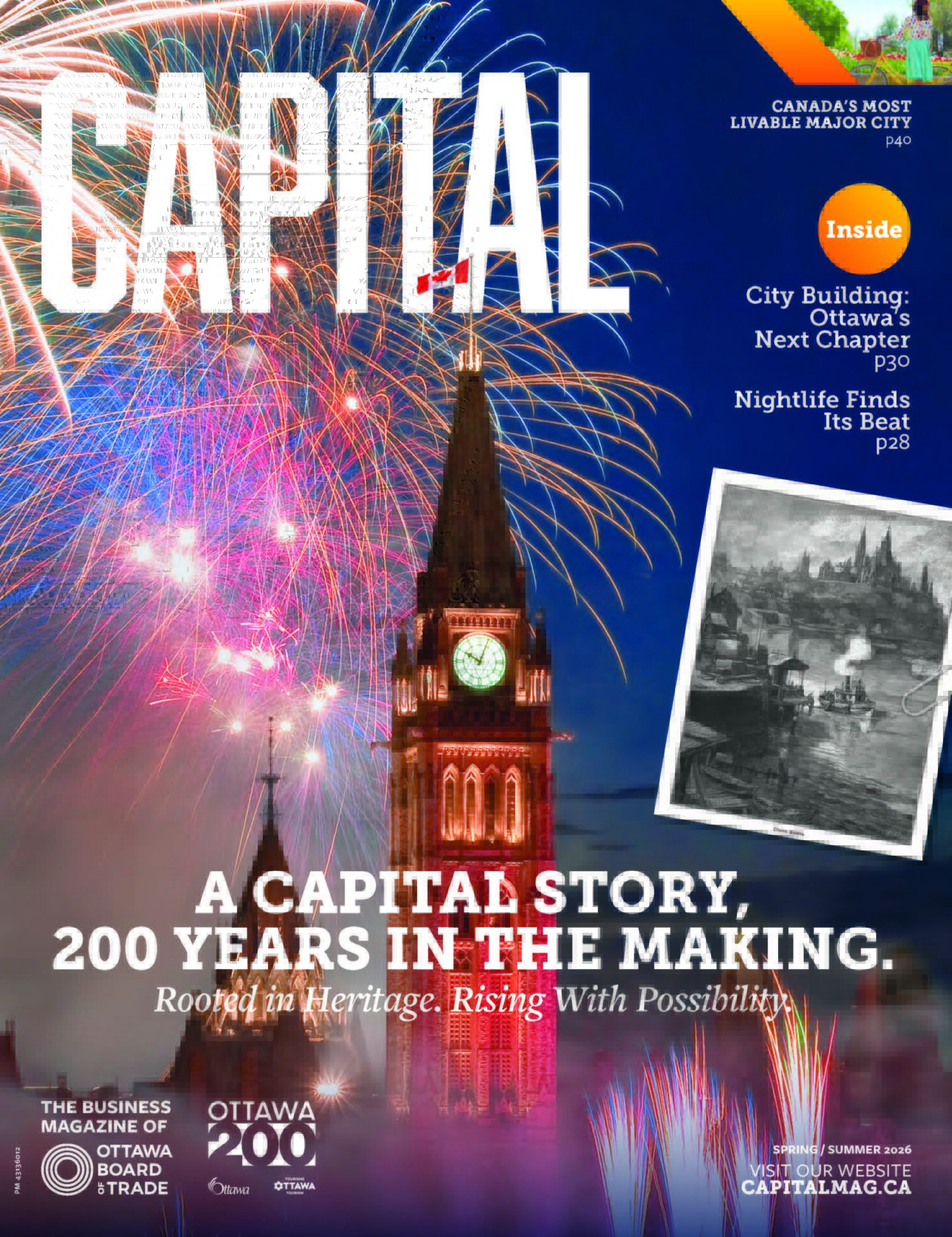
The capital was named the most livable major city in Canada in a comprehensive report conducted by The Globe and Mail.
When Ottawa was named most livable major city in Canada by The Globe and Mail in January 2026, it came as no surprise to anyone who lives here. With its strong community spirit, creative energy, opportunities to experience nature and vast cultural amenities, Ottawa continues to set the standard for urban well-being and a high quality of life.
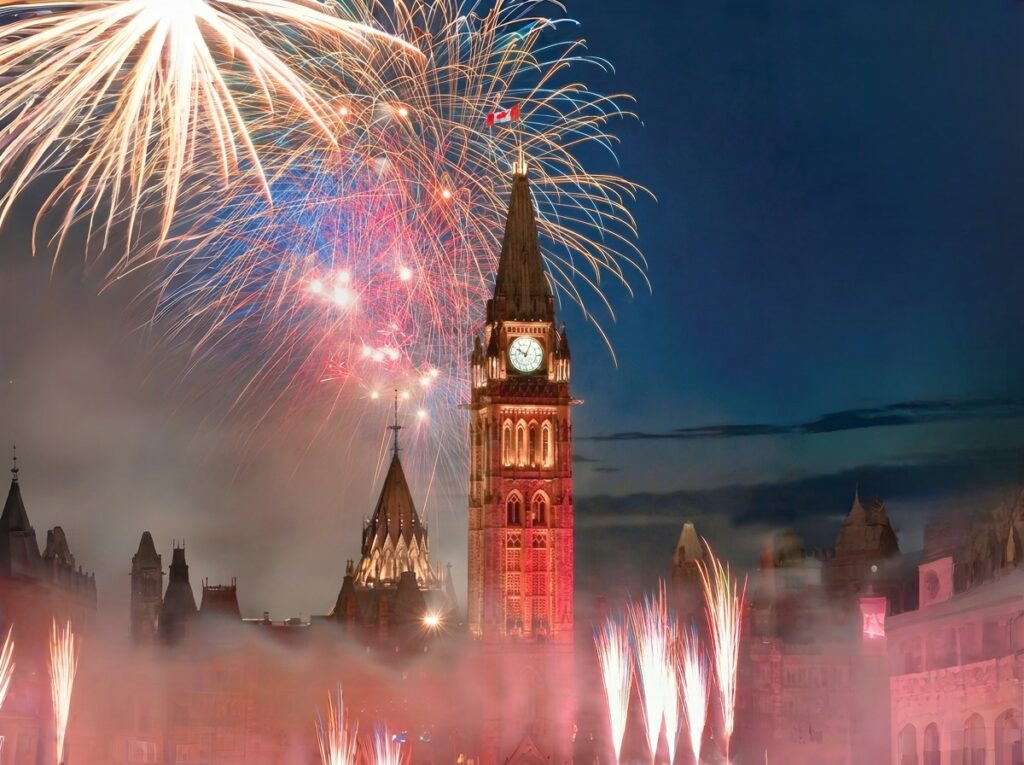
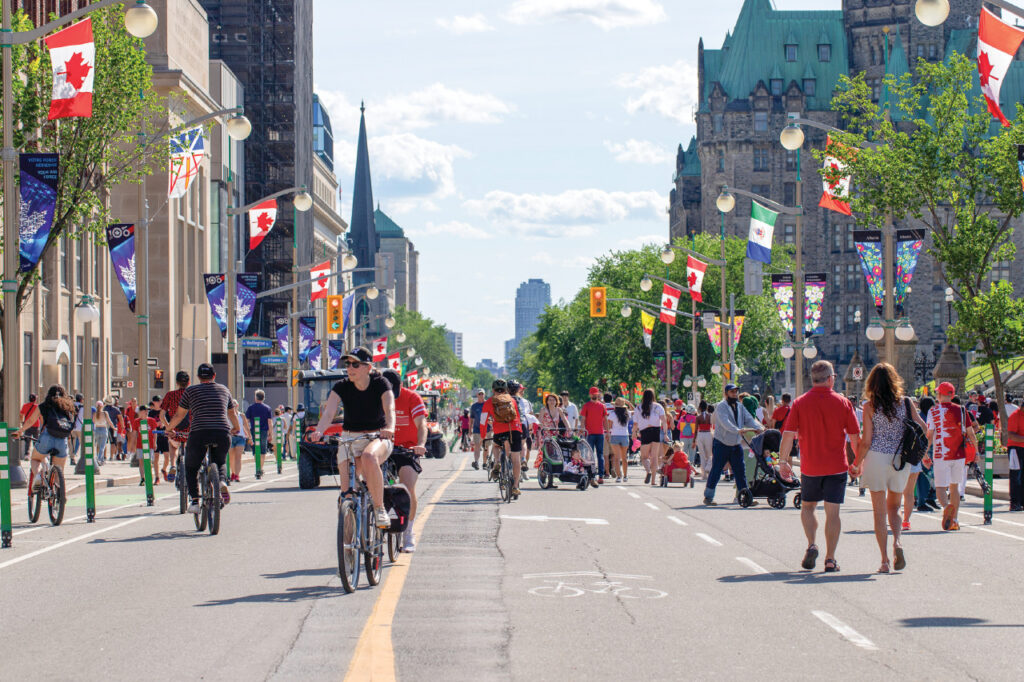
Ottawa is, in many ways, an economic development marketer’s dream because it’s a family-friendly city with reams of activities available to all ages and tastes. Home to Bluesfest, one of Canada’s largest music festivals; City Folk; Jazzfest, ChamberFest and Music and Beyond, it offers a full summer of indoor and outdoor music programming. The city also punches above its weight with official institutions, including the beautifully revamped National Arts Centre, where two full orchestras play as do theatre and dance productions, and seven major museums featuring art, history, nature, technology and agriculture.
The Globe and Mail stressed the importance of the Rideau Canal Skateway, which winds through the downtown core and through some of the city’s most desirable neighbourhoods, including Centretown’s Golden Triangle, Sandy Hill, Old Ottawa East, Old Ottawa South and the Glebe.
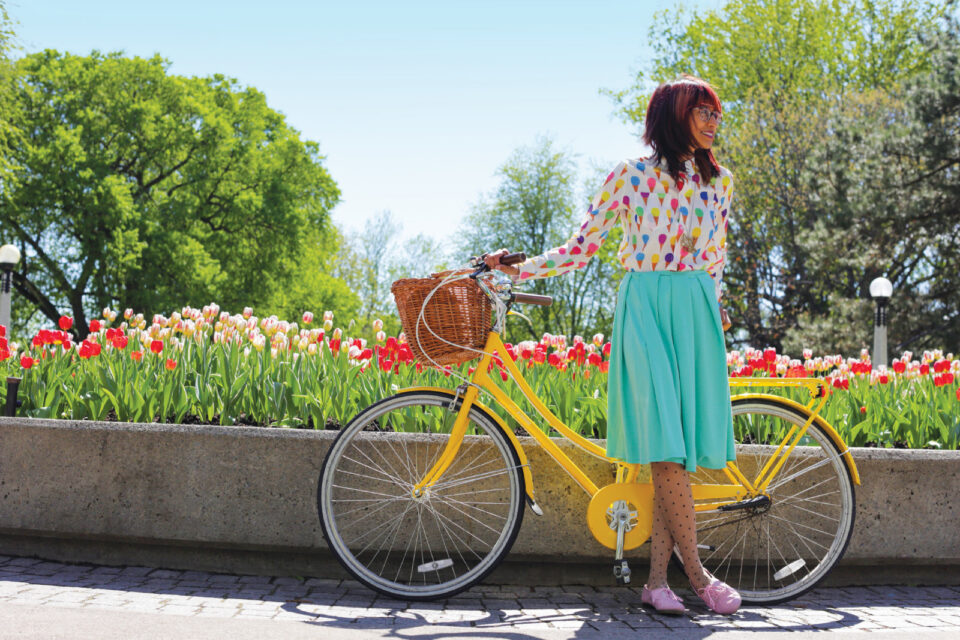
The canal stitches those neighbourhoods together and attracts nature-seekers and fitness lovers alike, while also drawing suburbanites and tourists alike to the core for a BeaverTail and a skate. But it’s just one of the city’s attractive outdoor spaces that also include parks and walking trails throughout the Greenbelt, the picturesque Gatineau Park, the Arboretum and the Experimental Farm, the latter of which both boast fitness paths.
The National Capital Commission, which is responsible for Gatineau Park, can take credit for many outdoor spaces, such as the path along the Ottawa River called the Kichi Zībī Mīkan and Ottawa River House, a pavilion on the Ottawa River that is home to boat launches and a stunning “pool deck”, complete with swimming lanes, that is open to the public all summer long.


Ottawa’s food scene is unparalleled for a city its size with hometown chefs regularly winning podium spots at the Canadian Culinary Championships, most recently with Chef Jason Sawision’s bronze finish in 2026, and with Briana Kim and Yannick Lasalle each winning gold in previous years and Marc Lepine winning gold on two different occasions. New restaurants with up-and-coming chefs open all the time to rave reviews and the diversity of cuisines is as broad as that of cities much bigger than Ottawa. Case in point: A Uyghur restaurant just opened in New Edinburgh.
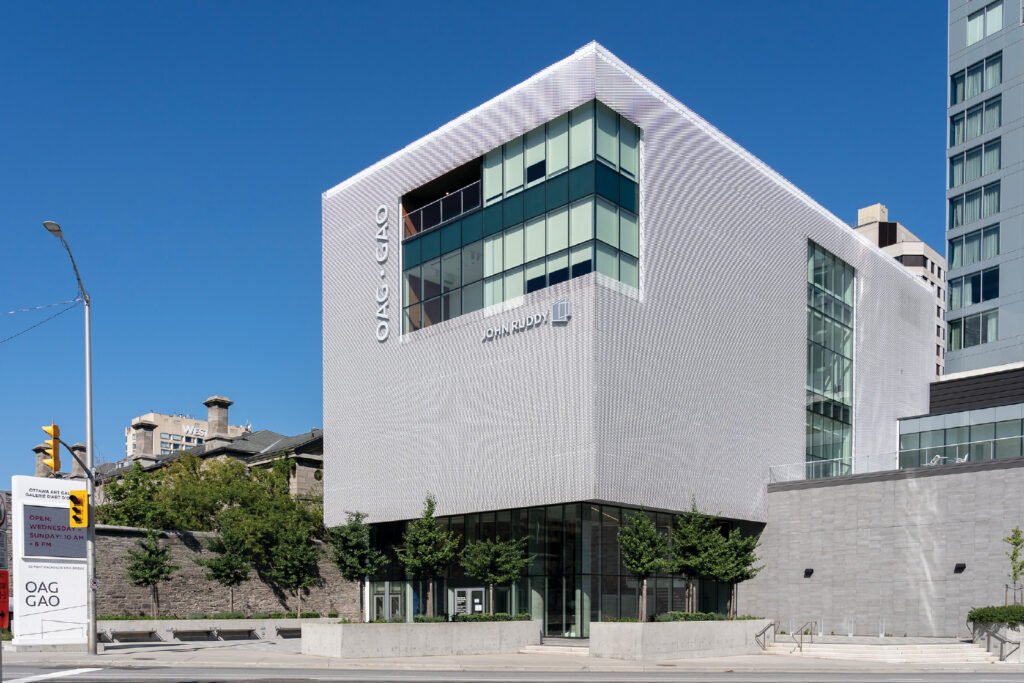
Meanwhile, the visual arts thrive in the city, partly because of the constellation of private galleries that orbit the National Gallery of Canada, but also because of the world-class Ottawa Art Gallery, founded 36 years ago by artists and visionary city-builders. The gallery’s expanded space, which opened in April 2018, brings to mind the Whitney Art Gallery in New York City, with its stacking storeys and sweeping terraces.
Alexandra Badzak, director and CEO of the Ottawa Art Gallery, is one of the brains behind a new initiative that will make Ottawa’s art scene even more vibrant.
“It started as an idea coming out of COVID,” Badzak says. “I certainly saw a downtown core that was really struggling from a myriad of issues, from store closures to the social challenges to just the vacantness of the downtown.”
She says the idea of establishing a formal arts, culture and entertainment district began as a series of conversations among stakeholders followed by a small federal grant to workshop some ideas, which culminated in a huge mural by artist Eric Chan (Eepmon) on the parking garage across the street from the gallery’s north entrance. The mural carries over to the gallery side, to tie it all together.
“That lined up at the same time as the City of Ottawa and its economic development side and the Ottawa Board of Trade and others were working on the downtown action plan,” Badzak says. “Through that process, we managed to have one of the key pillars of the plan be around an arts, culture and entertainment district.
“The statistics are out there,” Badzak adds. “We know that the arts dramatically help when it comes to downtown revitalization. They bring longevity, they bring stability, they bring a sense of care to those spaces, so it was great to have that recognized in a big report because it unlocked our ability to work directly with the city to move that forward.”

Badzak spoke to more than 100 city groups, including an elder circle at Zibi, to find out what they’d be looking for if this concept moved forward.
The ACE District, as it’s starting to be called, will encompass the entire downtown, from the ByWard Market over to Sparks Street and down to the Queensway, bringing in all of Centretown.
She says the next steps are moving it all forward in a solid way, and long-term the ACE District members will be on the forefront of advocating for new initiatives in Ottawa. A launch in mid-June will bring together public art throughout the ByWard Market, including an asphalt art installation.
“The launch will be a curated walk throughout a portion of the district to give people an idea of what it will look like,” she says.
Ottawans are proud, but not without complaints about their beloved city, beginning with the LRT, but responsibility for that is shifting to the province and there’s hope it will improve as it expands. Homelessness is another issue, and Mayor Mark Sutcliffe has launched an initiative to end youth homelessness by 2030, which he says will be a step toward ending homelessness completely. Since 2022, Ottawa has committed $82 million to affordable housing.
The Globe and Mail’s report noted that the likelihood of crime was 12% lower in Ottawa than the national average, and that 86% of Ottawans have a regular health-care provider. Ottawans with a strong sense of belonging in their community numbered 69%, but Ottawa was also deemed to be 6% less walkable than the national average and the Globe reported that 20% of Ottawa households spend more than 30% on housing.
Mayor Mark Sutcliffe spoke at the City Building Summit in April and summed it up this way: “We’re becoming much more exciting and vibrant with lots of positive things coming, but even as we grow, we still have that great quality of life.”